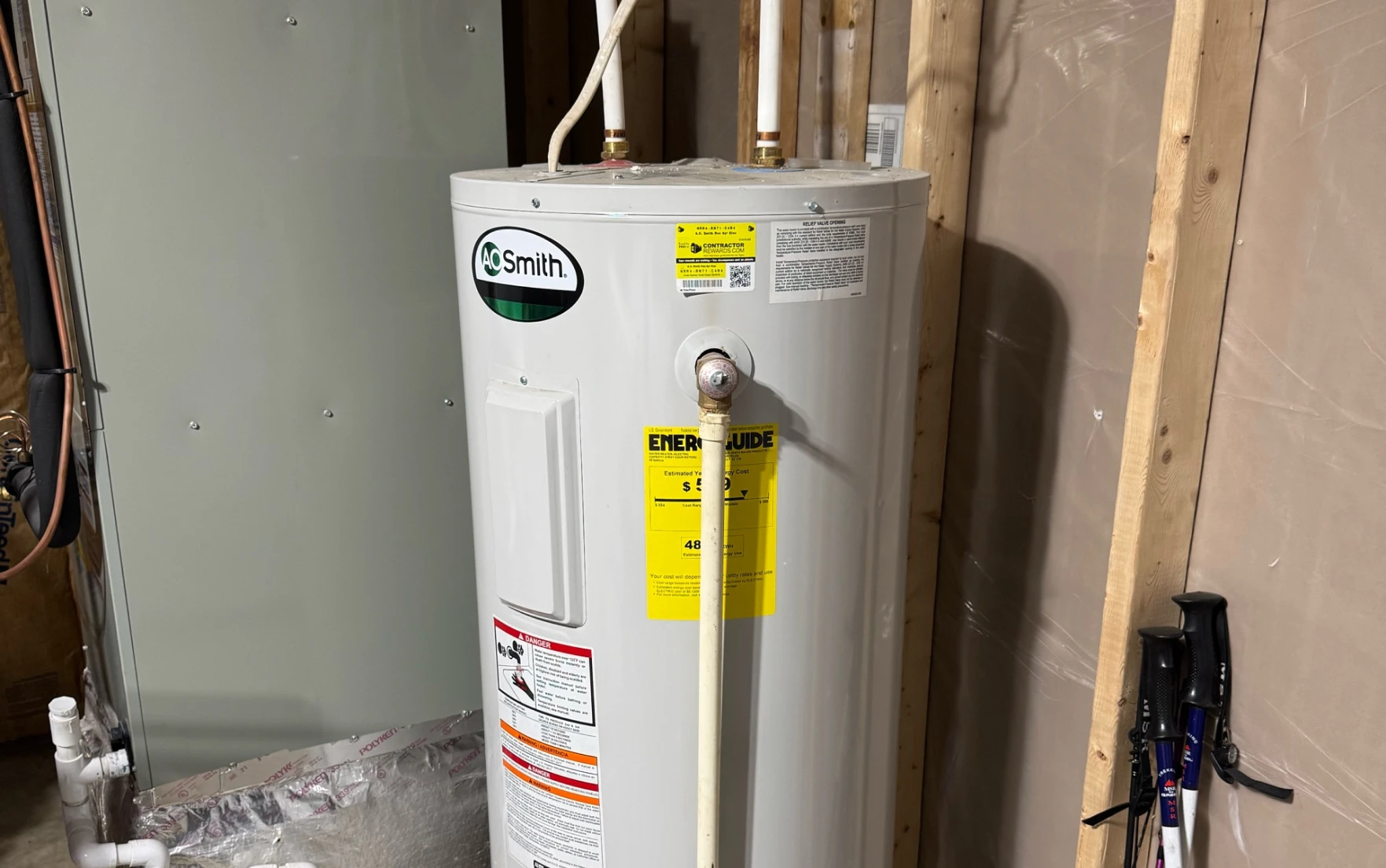
Understanding the True Cost of Common Heating Errors
Your monthly utility bill tells a story, and if you’ve noticed the numbers climbing without a clear explanation, your water heater may be the culprit. Across Lyndhurst and the surrounding Shenandoah Valley, homeowners lose hundreds of dollars each year to five avoidable water heater mistakes that silently inflate energy consumption.
These errors range from simple oversights to gradual equipment degradation, yet they share a common thread: each one forces your system to work harder and consume more electricity or gas than necessary. In Central Virginia, where summer humidity and winter cold create year-round demand for hot water, even a minor inefficiency compounds quickly. A water heater operating at reduced capacity might run 30 to 50 percent longer per cycle, translating to $15 to $40 in wasted energy every month.
The five mistakes homeowners make most often include setting thermostats too high, neglecting routine sediment flushing, ignoring insulation for both the tank and supply pipes, allowing leaks to persist, and postponing necessary replacements beyond the unit’s effective lifespan. Each mistake carries its own cost signature: excessive thermostat settings waste fuel on unnecessarily hot water, sediment buildup acts as an insulator that blocks heat transfer, uninsulated tanks radiate warmth into unused spaces, leaks force the system to reheat replacement water continuously, and aging units lose efficiency as components corrode and seals degrade. Together, these errors can double your water heating expense, the second-largest energy cost in most homes.
Thermostat Settings and Sediment Buildup That Drain Your Wallet
The factory default thermostat setting on most water heaters sits at 140°F, yet the Department of Energy recommends 120°F for optimal safety and efficiency. That 20-degree difference might seem trivial, but it costs the average household $36 to $61 annually in excess energy. In Lyndhurst, where well water and municipal supplies carry varying mineral content, many homeowners push thermostats even higher to compensate for perceived performance loss, unknowingly accelerating both energy waste and tank corrosion.
Each 10-degree reduction in temperature saves 3 to 5 percent on water heating costs. At 140°F, standby heat loss increases because the temperature differential between the tank and surrounding air widens, meaning your unit fires more frequently just to maintain the set point. Scalding risk also rises: water at 140°F causes third-degree burns in five seconds, while 120°F extends that threshold to ten minutes, offering a critical safety margin for families with young children or elderly members.
Sediment accumulation presents a parallel threat. Lyndhurst’s water supply, drawn largely from limestone-rich aquifers and mountain runoff, carries dissolved minerals, calcium, magnesium, iron, that precipitate out as water heats. Over months and years, a layer of sediment settles at the tank bottom, forming a barrier between the burner or heating element and the water above. This insulating layer forces the system to run longer to achieve the same temperature, wasting fuel and generating rumbling or popping sounds as steam bubbles escape through the sediment crust. A quarter-inch of buildup can reduce efficiency by up to 10 percent; a half-inch or more pushes that figure above 20 percent. Annual draining, a task many homeowners overlook, clears this debris and restores heat transfer, yet fewer than one in five tanks receives this simple maintenance step.
Uninsulated Tanks and Pipe Runs Radiating Expensive Heat
An uninsulated water heater tank radiates warmth into its surroundings, a phenomenon engineers call standby loss. In a conditioned basement or utility closet, that radiated heat raises the ambient temperature, forcing air conditioning systems to work harder in summer and contributing little benefit in winter when the space remains unused. Older tanks manufactured before federal efficiency standards took effect in 2004 lose significantly more heat than modern units, yet even newer models benefit from supplemental insulation.
Pipe insulation delivers immediate returns, particularly on the first six feet of hot water line leaving the tank. Uninsulated copper or PEX pipe dissipates heat rapidly, meaning water cools as it travels to your faucet or shower. This forces you to run the tap longer to reach a comfortable temperature, wasting both water and the energy spent heating it. In Central Virginia’s colder months, when basement temperatures drop into the 40s and 50s, uninsulated pipes can shed 2 to 4 degrees per foot of run, turning a 120°F departure temperature into a lukewarm 105°F arrival at a distant bathroom.
Insulating the tank itself with a fiberglass blanket rated R-10 or higher cuts standby loss by 25 to 45 percent. These blankets, available at any hardware store, attach with foil tape and cost $20 to $30, paying for themselves within a single heating season. Pipe insulation, foam sleeves that slip over supply lines, costs even less and installs in minutes, yet the impact on both energy bills and comfort is immediate. Homeowners in the Waynesboro and Staunton areas, where winter lows regularly dip below freezing and many homes sit on crawlspaces or over unheated basements, see particularly strong returns from pipe insulation, as it also reduces freeze risk during hard cold snaps.
Ignoring Annual Maintenance and Its Compounding Toll
A leaking pressure relief valve, a dripping drain valve, or a slow weep from a corroded tank seam might seem minor, yet each drip represents heated water escaping and cold water flowing in to replace it. Your water heater must then reheat that incoming water, cycling on more frequently and consuming additional energy. A leak rate of one drip per second wastes nearly 3,000 gallons per year and can add $35 to $50 to annual energy costs, depending on fuel type and local rates. In areas like Charlottesville and Harrisonburg, where municipal water and sewer charges run higher than the regional average, the combined cost of wasted water and wasted energy climbs further.
Small leaks often signal deeper issues: internal tank corrosion, failing gaskets, or excess pressure caused by thermal expansion. Left unaddressed, these conditions worsen, leading to catastrophic tank failure and potential water damage. Valve leaks sometimes respond to simple tightening or washer replacement, but persistent seepage from the tank body indicates the steel lining has breached and replacement is the only solution. Ignoring these warning signs延长s the period of inefficiency and increases the likelihood of a sudden, costly failure.
Age remains the most overlooked variable. Tank-style water heaters carry a typical lifespan of 8 to 12 years, with efficiency declining steadily in the final third of that range as anode rods corrode, sediment accumulates, and heating elements degrade. A 15-year-old unit may still produce hot water, but it likely consumes 20 to 30 percent more energy than a new model meeting current efficiency standards. Delaying replacement past the manufacturer’s expected service life means paying a premium for every gallon heated, month after month.
If you’ve noticed any of these signs in your home, rising energy bills, lukewarm water, unusual sounds, or visible leaks, a water heater inspection can identify efficiency losses and restore performance. Addressing these common errors, whether through simple adjustments or strategic upgrades, returns control over your energy spending and ensures your system operates as designed. Small changes today prevent larger costs tomorrow, and understanding how your equipment responds to Central Virginia’s water quality and seasonal shifts empowers you to make decisions that protect both comfort and budget.
Preventing Efficiency Loss Before It Impacts Your Monthly Budget
Scheduled maintenance receives less attention than any other factor affecting water heater efficiency, yet its absence creates a cascade of interconnected problems that amplify every other mistake. When sediment hardens at the bottom of the tank because no one flushed it, when corrosion advances unchecked because no one inspected the anode rod, when mineral deposits constrict the heating element because no one performed a service cleaning, the cumulative effect exceeds the sum of individual neglect.
In Central Virginia’s mineral-rich groundwater environment, maintenance intervals matter more than in regions with softer water. The limestone geology underlying Augusta and Albemarle counties contributes elevated calcium and magnesium levels that accelerate scale formation. A tank that might operate five years elsewhere without intervention can show significant efficiency loss within two years here. The heating element works harder, the thermostat cycles more frequently, and standby losses increase as insulating properties of water degrade in the presence of suspended particles.
The anode rod, a sacrificial component designed to corrode before the tank itself does, deserves particular attention. Once this rod depletes fully, typically within three to five years depending on water chemistry, the tank walls begin corroding. Rust particles enter the water supply, discoloration appears at faucets, and microscopic pinholes develop that weep constantly. Each weep forces the system to reheat replacement water, but more critically, the degraded tank loses thermal mass and develops hot spots that stress the heating element.
Scheduling regular inspections identifies problems before they compound. A qualified inspection checks thermostat calibration, tests pressure relief valve operation, measures sediment depth, examines anode rod condition, and evaluates overall system efficiency. For homeowners in Lyndhurst and surrounding areas, where well water often carries higher mineral content than municipal supplies, annual inspections prevent most efficiency-draining scenarios. If you’ve noticed any of these signs in your home, arranging a water heater inspection can identify efficiency losses and restore performance before small problems escalate into costly failures.