Pipes Fixed Without Unnecessary Replacement Work
Pipe repair in Lyndhurst, Charlottesville, Staunton, Harrisonburg, and surrounding areas for leaking or burst supply lines at fittings, joints, and corroded sections
Galvanized and early copper supply lines in older homes across Augusta and Albemarle County tend to fail at fittings and joints rather than along a continuous run, which means the repair is often a spliced section rather than a full re-pipe. Miller Plumbing Solutions, LLC handles exactly that kind of targeted pipe repair in Lyndhurst, locating the failed section, explaining what caused it, and replacing only what has actually failed. That approach keeps the scope honest and prevents homeowners from paying for material and labor that the job does not require.
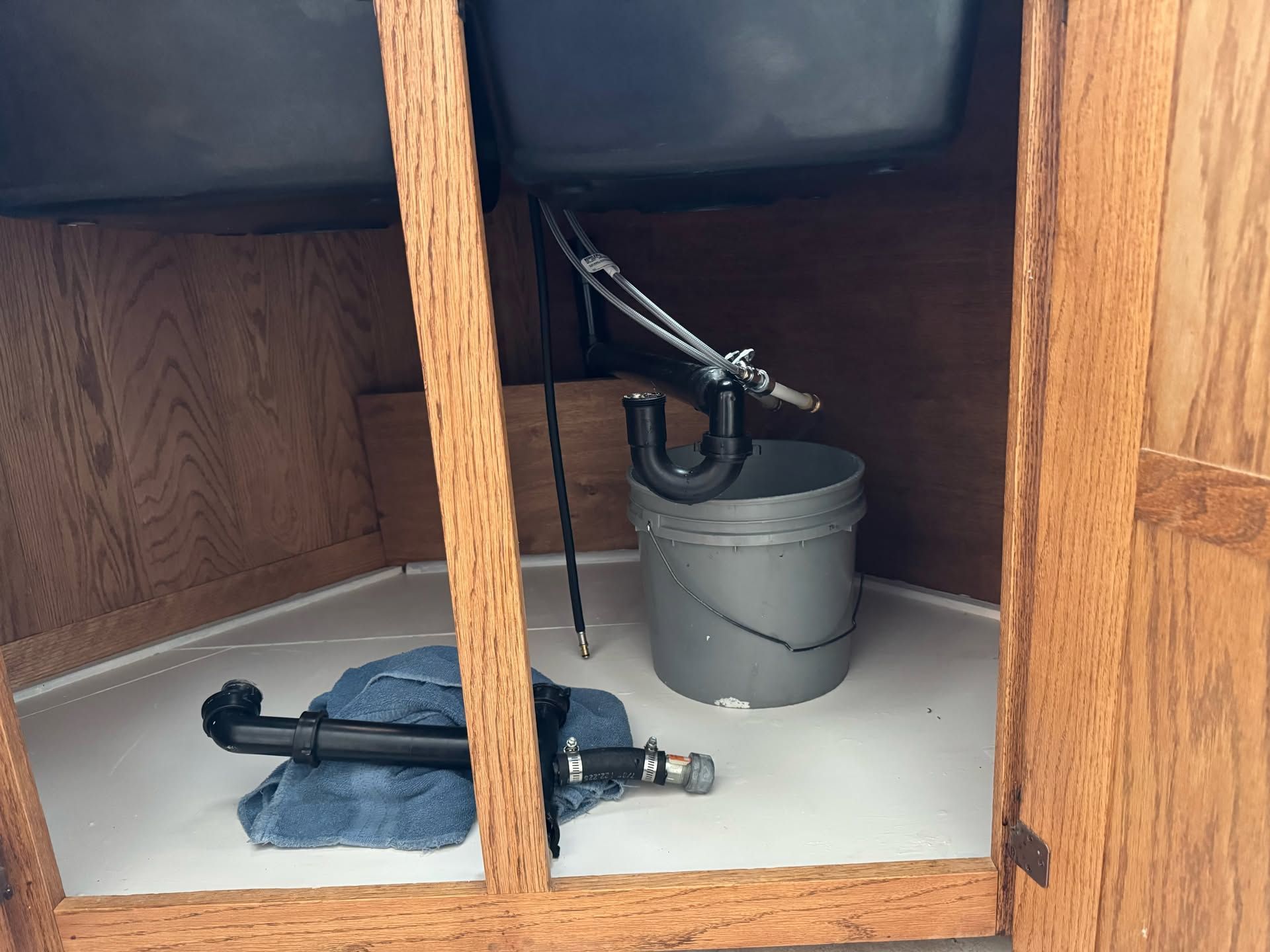
The process begins with water isolation and leak location. Where the source is not immediately visible, a pressure test or camera confirms the fault before anything is cut. Once the failed section is identified, the plumber removes it and sweats or crimps in new pipe using matching fittings. Before any wall is closed, you are shown both the old section and the completed new work so you can see exactly what was done and why.
Schedule an on-site assessment to identify the specific fault in your supply line and review the repair scope before any work begins.
How a Targeted Repair Differs From Full Repiping
The distinction between a section repair and a whole-house repipe comes down to where the failure is occurring and whether the rest of the line is still structurally sound. When corrosion is isolated to a single joint or a short run near a valve, cutting out and replacing that section restores full function without disturbing pipe that still has years of service left. Miller Plumbing Solutions, LLC carries the licensing, bonding, and insurance required under Virginia's Certified Grade A Contractor standard, which governs how this work is scoped, performed, and documented.
After the repair is complete, water pressure at fixtures returns to normal and any active dripping or pooling stops. The connection point is sealed with fittings matched to the existing pipe material so no transition adapter becomes a new failure point down the line.
Homes in Staunton and surrounding areas with original galvanized supply lines may show failure at multiple joints over time, so the inspection during a pipe repair is also an opportunity to note any other sections showing early corrosion or mineral buildup before they become active leaks.
What Property Owners Ask About the Work
The questions below address how pipe repair is performed and what affects the scope of a typical job on older residential supply lines.
What determines whether a pipe section can be repaired or needs full replacement?
The condition of the surrounding pipe material is the deciding factor—if corrosion or thinning extends beyond the visible failure point, a longer replacement run may be warranted, but if the rest of the line is intact, splicing the failed section is structurally sound and appropriate.
How does the plumber locate a leak that is not visually obvious?
A pressure test isolates which part of the supply system is losing pressure, and where the fault is behind finished surfaces, a camera or acoustic listening tool narrows the location before any wall or floor is opened.
What pipe material is used when a section is replaced?
The replacement material is matched to what is already in the line—copper is sweated with the same alloy fittings, and PEX or CPVC transitions use rated crimp or solvent fittings that meet Virginia plumbing code for that connection type.
Why do joints and fittings fail before the middle of a pipe run in older homes?
Fittings create slight turbulence and are often the first place mineral deposits concentrate; in galvanized lines, the threaded connection also traps water at the threads, accelerating oxidation at that specific point rather than uniformly along the pipe.
What should you check after a pipe repair is finished?
Confirm that water pressure at every downstream fixture is consistent, visually inspect the repair area for any residual moisture over the next twenty-four hours, and verify that the shutoff valves used during the work open and close fully without sticking.
Miller Plumbing Solutions, LLC also performs pipe repair in Charlottesville, Crozet, Harrisonburg, and Waynesboro. To discuss the specifics of your supply line and confirm the repair scope, call (434) 437-0123 or request an on-site evaluation.