
Basement Protection That Holds Under Real Load
Sump Pump Installation & Repair in Lyndhurst, Charlottesville, Staunton, Harrisonburg, and surrounding areas for pits with failed float switches, pumps that run without cycling off, and homes needing a first-time installation
A sump pump that runs constantly without cycling off, one that doesn't activate when water enters the pit, or one that discharges water without actually removing it from the basin are all signs that a component in the system has failed—not necessarily the pump motor itself. Miller Plumbing Solutions, LLC inspects the full sump system rather than replacing the pump on assumption, beginning with the pit, the float switch, the check valve, and the discharge line before any work is performed. Identifying whether the float is stuck, the check valve is allowing backflow, or the discharge line is blocked determines what actually needs to be repaired or replaced.
The crew tests the pump under load by introducing water into the pit and monitoring the float activation, the pump's cycle time, and whether the check valve holds between cycles. The power source and the circuit are also confirmed, since a pump running on an undersized or shared circuit can trip a breaker under load without any mechanical fault in the pump itself. For replacements, the technician explains pump sizing—measured in horsepower and gallons per hour capacity—relative to the pit dimensions and the typical inflow volume before a new unit is selected and installed.
Arrange an inspection to have your sump system tested under load and get a clear picture of what, if anything, needs to be replaced before the pit is next called on to perform.
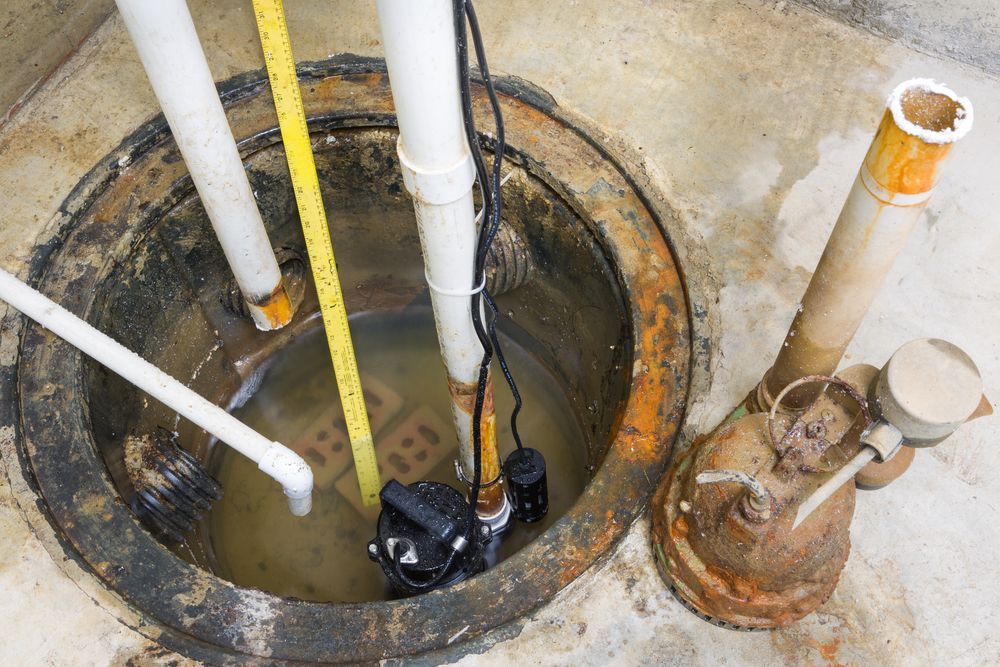
What a Sump System Inspection Actually Covers
A sump pump that sits in a poorly sized pit, discharges through a line that runs uphill without the correct check valve, or runs on an extension cord rather than a dedicated circuit will underperform regardless of the pump's rated capacity. The discharge line is checked for correct slope, proper termination away from the foundation, and a functioning check valve that prevents discharged water from flowing back into the pit between cycles—a failed check valve forces the pump to run repeatedly to remove the same water.
After a repair or replacement is completed, the observable difference is a pump that activates when water reaches the float trigger point, removes the water in a defined cycle, and shuts off cleanly without the motor continuing to run against an empty pit. Properties in the Waynesboro and Staunton areas with finished lower levels or crawl space transitions often have sump systems that were installed during a basement conversion, and those systems sometimes include discharge lines that were routed for convenience rather than correct drainage slope—a detail that comes up during inspection.
A battery backup system is a separate component worth discussing for any home where the pump is the primary defense against water intrusion—it maintains pump function during power outages when the pit may be receiving the most inflow. Miller Plumbing Solutions, LLC explains backup options as part of the replacement conversation rather than as an add-on after the job is done.
Questions Before Starting Your Project
The questions below address what a sump pump inspection involves, how pump sizing decisions are made, and what the system should do once it's functioning correctly.
How is the float switch tested during a sump pump inspection?
Water is introduced directly into the pit to raise the float to its activation point, confirming that the switch triggers the pump at the correct level and that the motor responds without delay or hesitation.
What causes a sump pump to run continuously without cycling off?
A stuck or mispositioned float switch is the most common cause—if the float is positioned so that it never drops below the shutoff threshold, the motor runs until it overheats or the circuit trips, even when the pit is nearly empty.
Why does the check valve matter in a sump discharge line?
Without a functioning check valve, water that has been pumped up through the discharge line flows back into the pit when the pump shuts off, causing the float to reactivate almost immediately and forcing the pump into repeated short cycles that wear the motor prematurely.
How is pump size determined when a replacement is being selected?
The technician considers the pit diameter, the vertical lift from the pit bottom to the discharge line exit point, and the expected inflow volume based on the property's drainage conditions—a pump that is undersized for the lift distance will run longer than its rated cycle and may not keep pace with high inflow.
What should you see when a correctly functioning sump system completes a cycle?
The pump activates when the float reaches its trigger point, removes the water in a single uninterrupted cycle, shuts off cleanly when the float drops below the cutoff threshold, and the pit remains dry between inflow events without the motor restarting immediately after shutoff.
Miller Plumbing Solutions, LLC also installs and repairs sump pumps in Charlottesville, Crozet, Harrisonburg, and Waynesboro. Call (434) 437-0123 to schedule a full system inspection and get a specific assessment of what your sump pit, pump, and discharge line need to perform reliably.