
Pressure Restored to Homes With No Municipal Backup
Well Pump Repair & Replacement in Lyndhurst, Charlottesville, Staunton, Harrisonburg, and surrounding areas for sputtering faucets, fluctuating pressure, and systems that have stopped delivering water entirely
Sputtering faucets, pressure that drops sharply when two fixtures run at once, or a home that has lost water entirely are the typical signals that a well pump system has developed a fault. The difficulty is that the pump motor, the pressure switch, the pressure tank, and the wiring between them can each produce similar symptoms—and replacing the pump when the pressure tank has lost its air charge, or swapping the tank when the actual fault is in the pressure switch wiring, resolves nothing. Miller Plumbing Solutions, LLC diagnoses which component has actually failed before recommending repair or replacement, and explains the finding clearly before any work begins.
A technician checks pressure at both the tank and at fixtures to establish where the drop is occurring, then tests the pump's amperage draw and cycling behavior to assess whether the motor is pulling normally or showing signs of winding failure. The pressure switch and its wiring are inspected for corrosion, improper contact points, or a cutoff setting that doesn't match the tank's actual pressure range. For rural properties around Lyndhurst that rely entirely on their own pump and pressure tank with no municipal supply available, isolating the fault correctly on the first visit is the difference between a household that has water by the end of the day and one that doesn't.
Contact Miller Plumbing Solutions, LLC at (434) 437-0123 to have a technician assess your well system and identify the specific fault before any part is pulled or replaced.
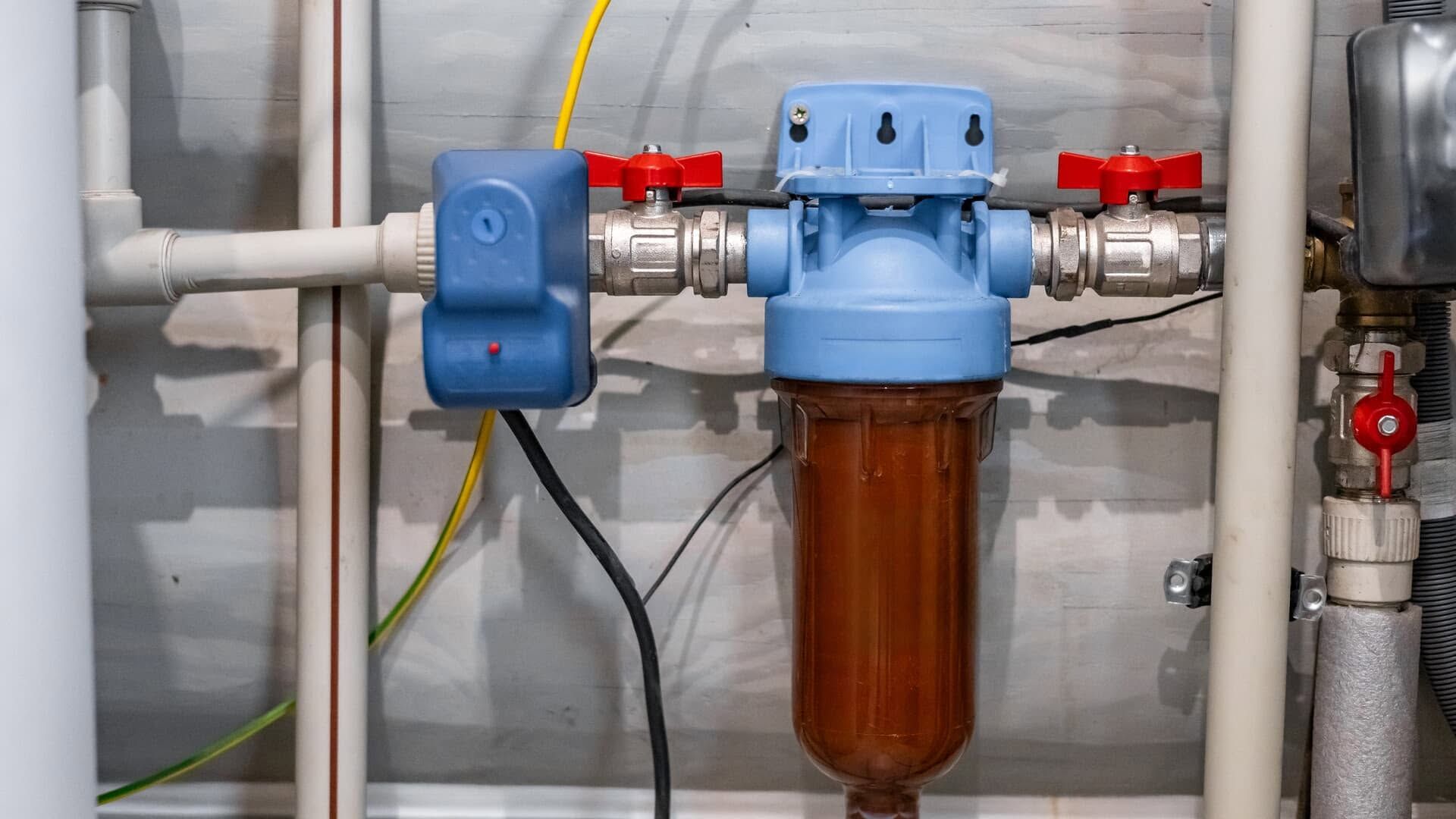
Why Accurate Well System Diagnosis Changes the Repair Scope
A pressure tank that has lost its pre-charge forces the pump to short-cycle—activating and shutting off rapidly rather than running a full pumping cycle—which overheats the motor and accelerates its failure. This means a household can arrive at a failed pump that actually originated as a waterlogged tank problem. Reading pump amperage during operation reveals whether the motor is working within its rated load or drawing excess current, which indicates either a wiring fault or a motor winding that is beginning to fail. Those two data points together—tank pressure and motor amperage—narrow the diagnosis to a specific component rather than leaving the repair as a guess.
After a repair or replacement is complete, the pressure at fixtures holds steady through normal household use without the sharp drops that indicate the tank bladder is failing or the pump isn't keeping pace with demand. The pump cycles at its designed interval rather than short-cycling, and water runs clear without the air sputtering that accompanies a pump that is pulling against an empty casing. Customers receive a plain explanation of what component failed, why it failed, and what the expected service life of the replacement is—so the household understands what to watch for going forward.
Where the submersible pump itself requires replacement, the work involves pulling the pump from the well casing, inspecting the drop pipe and wiring run for any secondary damage, installing the replacement unit, and pressurizing and testing the full system under load before the job is closed. The pressure switch is set to match the tank's air charge so the system cycles within the correct range from the start.
Common Questions About This Service
These questions address how well pump diagnosis and replacement work is performed, what each component does, and how a technician determines which part of the system has actually failed.
How does a technician tell whether the pump, the pressure switch, or the tank is causing low pressure?
Pressure is measured at the tank gauge and at a fixture simultaneously—if the tank shows adequate pressure but fixtures don't, the delivery line or a valve is the issue; if the tank pressure drops rapidly during use, the bladder or pump cycling is the focus; pump amperage then confirms whether the motor itself is functioning within spec.
What does short-cycling mean and why does it damage a pump?
Short-cycling occurs when the pump activates and shuts off repeatedly in quick succession rather than completing a full pumping cycle—each startup draws higher amperage than sustained running, and repeated startups overheat the motor windings and shorten the pump's usable life significantly.
How is the system tested after a pump replacement is completed?
The replacement pump is run under load with water flowing at multiple fixtures simultaneously, pressure is monitored at the tank to confirm it reaches the cutoff point and holds, and the pressure switch is verified to activate and deactivate at the correct thresholds before the technician leaves the property.
Why do rural Lyndhurst properties face a different situation when a well pump fails compared to homes on municipal water?
With no backup supply available, a failed pump means the household has no running water until the system is repaired—there is no interim option, which makes diagnosing the fault correctly on the initial visit more consequential than it would be for a home that can rely on municipal pressure while parts are sourced.
What happens to the drop pipe and wiring when a submersible pump is pulled for replacement?
The drop pipe sections and the submersible wiring run are inspected for cracks, corrosion, or abrasion damage as the pump is raised—damaged pipe or compromised wiring is replaced at the same time rather than reconnected to a new pump, since a wiring fault in the casing would cause the replacement to fail prematurely.
Miller Plumbing Solutions, LLC also repairs and replaces well pumps in Charlottesville, Crozet, Harrisonburg, and Waynesboro. Call (434) 437-0123 to describe what your system is doing—fluctuating pressure, no water, or air in the lines—so the technician arrives prepared with the diagnostic steps and likely parts your situation requires.