
Sink Work Done Right Down to the Drain
Sink Installation and Repair in Lyndhurst, Charlottesville, Staunton, Harrisonburg, and surrounding areas for fixtures with failing drain assemblies, damaged shutoffs, or outdated supply connections
In many older homes around Lyndhurst, the sink is only part of what needs attention when a fixture is replaced or repaired. Original vanities and kitchen cabinets from mid-century construction frequently sit over cast-iron drain assemblies and early P-trap configurations that have corroded or shifted out of alignment over decades of use. Miller Plumbing Solutions, LLC handles installation and repair as a single service, and a technician explains each step so the homeowner understands what the job actually includes before the work begins.
A technician inspects the supply lines, shutoff valves, drain, and trap before any fixture is touched. That inspection determines whether the job is a repair—replacing a failed component like a shutoff or trap arm—or a full fixture swap, and it surfaces any issues with the drain connection or the cabinet structure below the sink that would affect how the new fixture seats and seals. Connections are pressure tested for leaks before the job is closed out, so the homeowner isn't left to discover a dripping supply line a week later.
Set up a fixture inspection to determine whether your sink requires a targeted repair or a full replacement and what the drain assembly looks like beneath the cabinet.
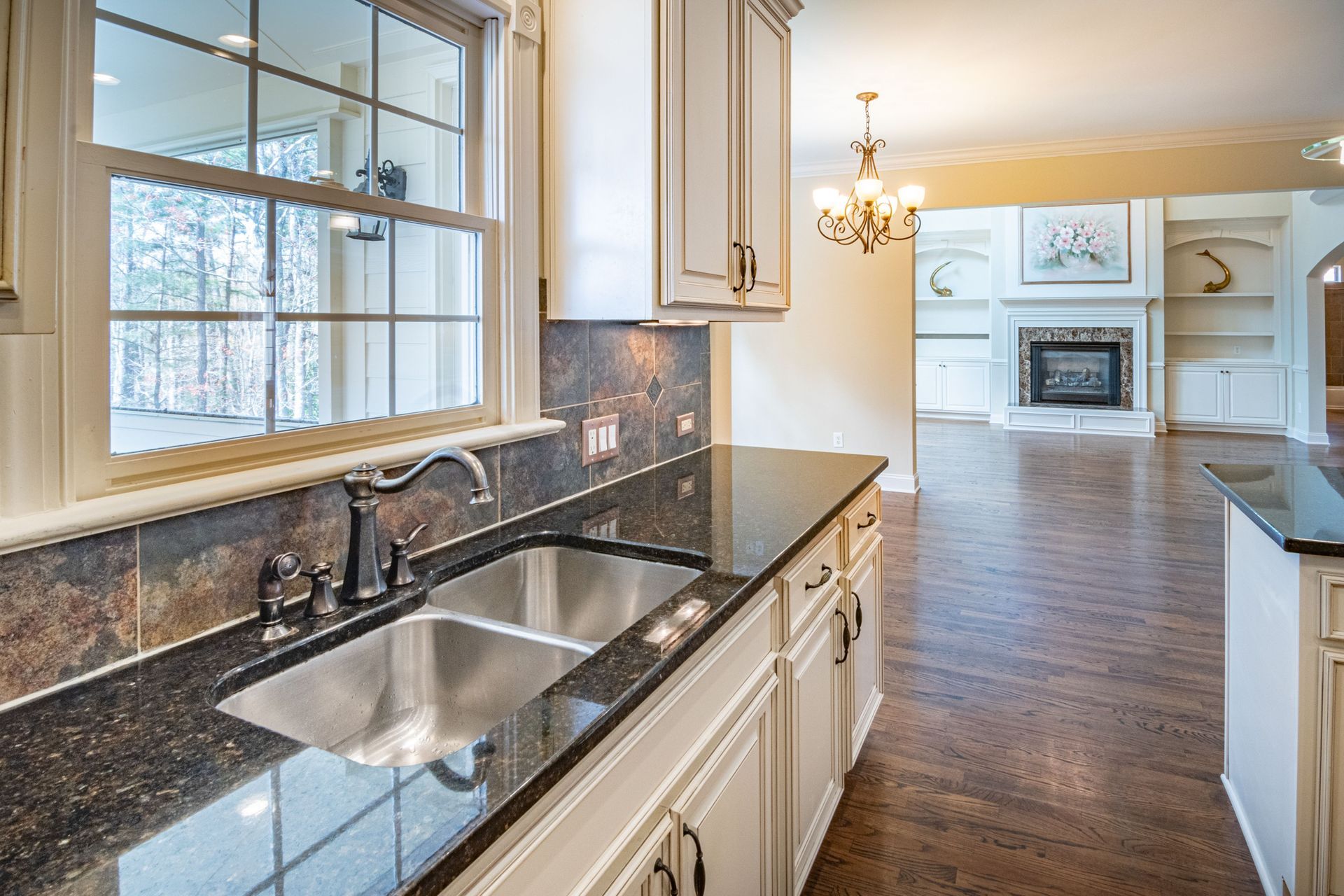
The Difference Between a Quick Fix and a Complete Sink Job
Replacing a sink without checking the drain connection and shutoff valves is the most common reason a newly installed fixture develops problems within months. Shutoff valves on supply lines that haven't been fully closed in years often fail to reseat properly once they're operated during a fixture swap, and an original drain tailpiece that doesn't align correctly with a new basin can result in slow draining or a slow seep at the slip joint. Catching those conditions during the inspection shapes the actual scope of work rather than leaving them to become callbacks.
Once installation is complete and connections are confirmed leak-free, the drain runs clear without standing water in the basin, the shutoff valves operate smoothly, and the fixture is stable at the countertop or vanity top with no movement or flex under use. Homeowners often notice that the water pressure at the faucet improves when corroded shutoff valves are replaced alongside the fixture, since a partially restricted valve reduces flow even with a new faucet installed above it.
Homes in Lyndhurst and Harrisonburg with original single-basin kitchen sinks sometimes have drain layouts that were roughed in for a disposal even when one was never installed, which means the drain stub location may not align with a standard replacement basket strainer without a transition fitting. Identifying that condition during the inspection prevents a mid-job discovery that delays completion.
Questions Before Starting Your Sink Project
Sink installation and repair questions most often center on what the job actually covers and what conditions in an older home change the scope. The answers below reflect how the work is evaluated and performed.
What does a technician check before deciding whether to repair or replace a sink?
The supply lines, shutoff valves, drain basket or strainer, P-trap, and trap arm are all inspected—corrosion at the drain flange, a trap arm that has shifted out of slope, or a shutoff valve that no longer seats fully can each affect whether a repair holds long-term or whether a fixture swap is the more reliable path.
How does a cast-iron drain assembly in an older home affect a sink replacement?
Cast-iron drain bodies corrode on the interior over decades and can develop rough surfaces that catch debris even after the visible fixture above is replaced—when the drain shows significant internal deterioration, replacing only the basin above it without addressing the drain run leaves the drainage problem in place.
Why are supply line shutoff valves inspected as part of a sink installation?
A shutoff valve that hasn't been operated in years may not close completely when needed for future repairs, and it may not reopen to full flow once used—replacing corroded or partial-flow valves at the time of a fixture installation is far less disruptive than returning later when one fails to hold.
What confirms the sink installation is finished correctly?
With the water supply restored, the supply connections are checked for any seep at the ferrule or compression fitting, the drain is run with a full basin to verify the slip joints at the trap hold under flow, and the basket strainer or drain flange is checked for any movement at the sink deck.
How does the technician handle a drain connection that doesn't align with the new fixture?
Offset flanges, extension tailpieces, and adjustable P-trap arms are used to bridge the gap between a fixed drain stub location and a new basin drain position, avoiding modifications to the drain rough-in inside the wall.
Miller Plumbing Solutions, LLC also installs and repairs sinks in Harrisonburg, Charlottesville, Crozet, and Waynesboro. To have your fixture and drain assembly evaluated, connect directly with Miller Plumbing Solutions, LLC and describe the current condition of the sink before scheduling the visit.