
Fixtures That Stop Wasting Water Silently
Toilet Installation & Repair in Lyndhurst, Charlottesville, Staunton, Harrisonburg, and surrounding areas for running toilets, base leaks, and aging flange connections
Miller Plumbing Solutions, LLC handles toilet repair and installation for homeowners dealing with running water that won't stop, visible moisture around the base, or a toilet that simply needs to be replaced. Many of the long-established homes in and around Lyndhurst still have their original toilet flanges and subfloor connections—components that were never designed to last indefinitely and that often fail quietly before the damage becomes visible. Catching a failed wax seal or a deteriorated flange before setting a new toilet is the difference between a clean installation and one that leaks beneath the floor for months.
Repairs begin by identifying the actual source of the problem rather than replacing parts until something works. A running toilet is most often traced to the flapper or fill valve, while a leak at the base points to the wax ring and flange condition. For a new toilet installation, the technician inspects the flange and surrounding subfloor before any work begins, sets the toilet with a fresh wax seal, connects the supply line, and runs the fixture through a full test cycle to confirm there are no leaks before the job is closed out.
Arrange an on-site evaluation to identify whether your toilet needs a targeted repair or a full replacement with a new flange and seal.
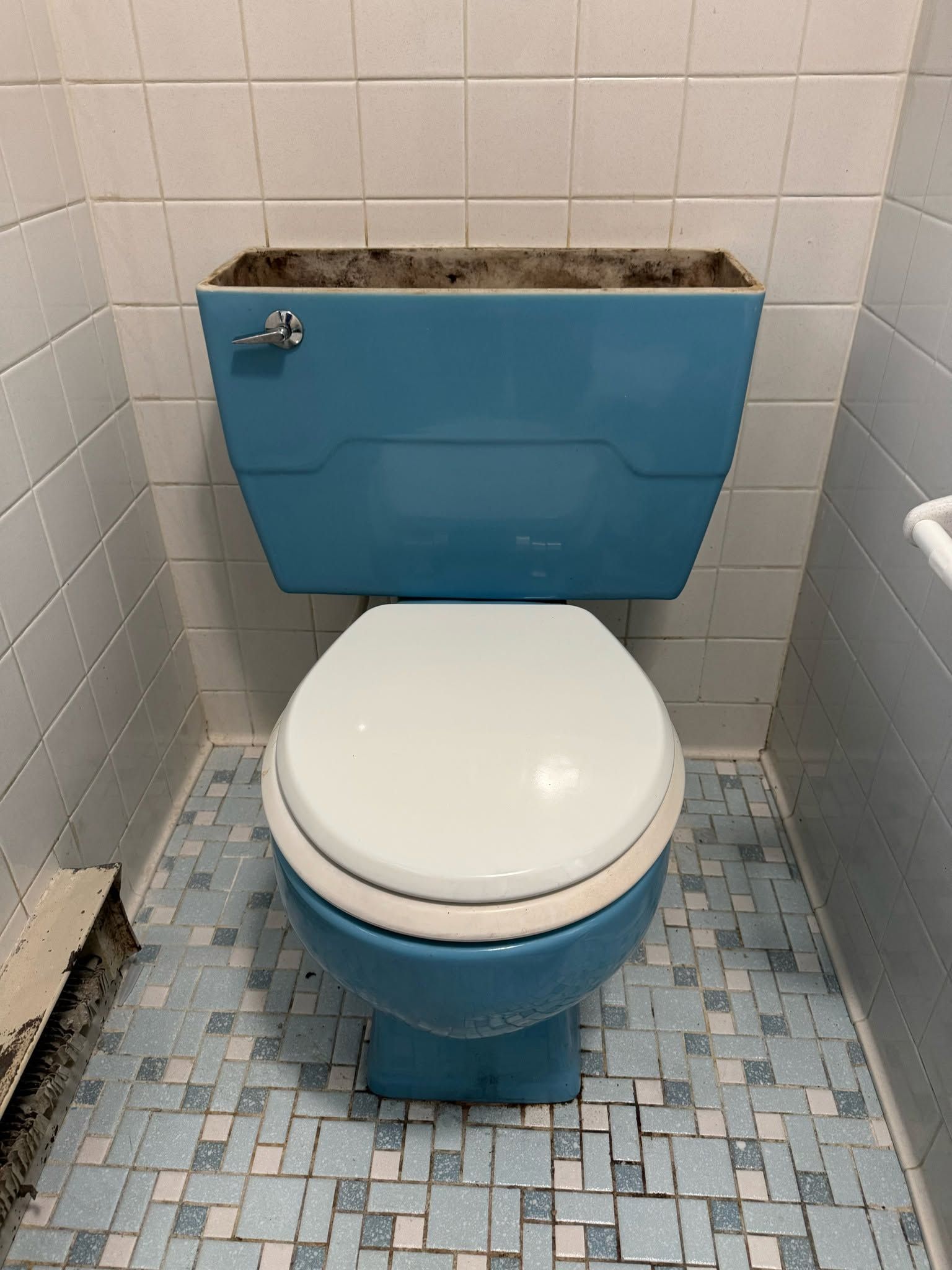
What Proper Toilet Work Actually Requires
A toilet installation done correctly starts below the porcelain. The flange—the fitting that connects the toilet to the drain pipe—must be inspected for cracks, corrosion, and correct height relative to the finished floor before a new unit is set. In older Lyndhurst homes where original cast iron or early PVC drain lines are still in place, flanges sometimes sit below the finished floor level after tile or subfloor work has been done over the decades, which requires a repair ring or replacement before a watertight seal can hold.
After installation, what you'll notice is straightforward: no running water between flushes, no moisture at the base after a day of use, and a fixture that flushes cleanly without rocking. A toilet that previously ran continuously can add a measurable amount of water to your monthly bill, and eliminating that waste becomes immediately apparent once the fill valve or flapper is correctly replaced or the supply pressure is balanced.
Miller Plumbing Solutions, LLC carries replacement flappers, fill valves, and wax rings on service calls so that common repairs can be completed in a single visit. For full replacements, the technician discusses toilet options—including comfort height and elongated versus round bowl configurations—before any fixture is ordered, so the selection matches both the rough-in measurement and the household's preferences.
Common Questions About Toilet Repair and Installation
These questions address how toilet repair and installation work is actually performed, including what gets inspected, what decisions are made on site, and what the finished work looks like.
What does a technician check before setting a replacement toilet?
Before a new toilet is placed, the flange is inspected for cracks or corrosion, the rough-in distance is measured to confirm the new fixture will fit, and the subfloor around the drain opening is checked for soft spots that would indicate water damage from a previous leak.
How is the source of a base leak identified during a repair call?
The technician removes the toilet to inspect the wax ring directly—a compressed, displaced, or cracked ring is the most common cause of base leaks, but the flange beneath it is also checked for damage before a new seal is set.
Why does a running toilet matter beyond the noise?
A faulty flapper or misadjusted fill valve allows water to flow continuously from the tank into the bowl, and because the fill valve replenishes that water, the cycle runs silently without triggering a flush—meaning the waste accumulates without any visible signal.
What happens when the flange in an older Lyndhurst home sits below floor level?
A recessed flange, which is common in homes where flooring has been added over original subfloor, requires either a flange extension ring or a full flange replacement so the wax seal has a correct surface to compress against and hold a watertight connection.
How do you confirm the installation is complete before leaving the job?
After setting the toilet and connecting the supply line, water is run through multiple flush cycles while the technician checks the base, the tank bolts, and the supply connection for any sign of moisture before the job is closed out.
Miller Plumbing Solutions, LLC also performs toilet installation and repair in Crozet, Charlottesville, Harrisonburg, and Waynesboro. To get started, call (434) 437-0123 and describe what you're seeing—whether it's a running tank, a wet floor, or a toilet that needs to be replaced entirely—so the right parts and approach are ready before the technician arrives.